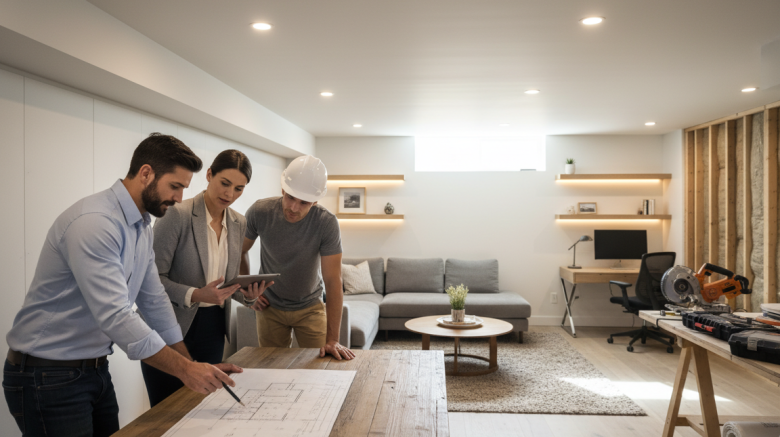
Finishing a basement can greatly raise your home’s value and usable living area. It can be transformed into a family room, guest suite, home gym, or office. This type of transformation changes underused space into a practical area within your home.
Explore Basement Renovation Services in Bellevue, WA
A successful basement renovation should begin with a clear, focused plan. Determine how the space will be used so your layout, lighting, storage, and material choices stay aligned. Early planning reduces the risk of expensive revisions and helps ensure the renovation adds to your home’s resale value.
Working with professionals often saves time and minimize risk. Renovate Builders at renovatebuilders.com specializes in basement finishing projects. Their team manages permits, code compliance, moisture control, and mechanical upgrades. That helps ensure the work meets current standards.
Design rooms that are useful, well-lit, and durable. They should also remain versatile as your needs change over time. With a solid plan and the right team, a basement renovation can be a worthwhile investment in your property.
Build A Strong Foundation For Your Basement Renovation Plan
Before you start, identify your main goals. Figure out whether the space should include a guest bedroom, bathroom, home theater, or more storage. Create a list of essentials and secondary wishes to help keep the project on budget.
Define The Purpose And Priorities
Put your desired features in order of importance. A bedroom and bathroom are usually more important than extra shelving when funds are limited. This method helps prevent scope creep and ensures contractors focus on what matters most.
Measure The Space And Assess Current Conditions
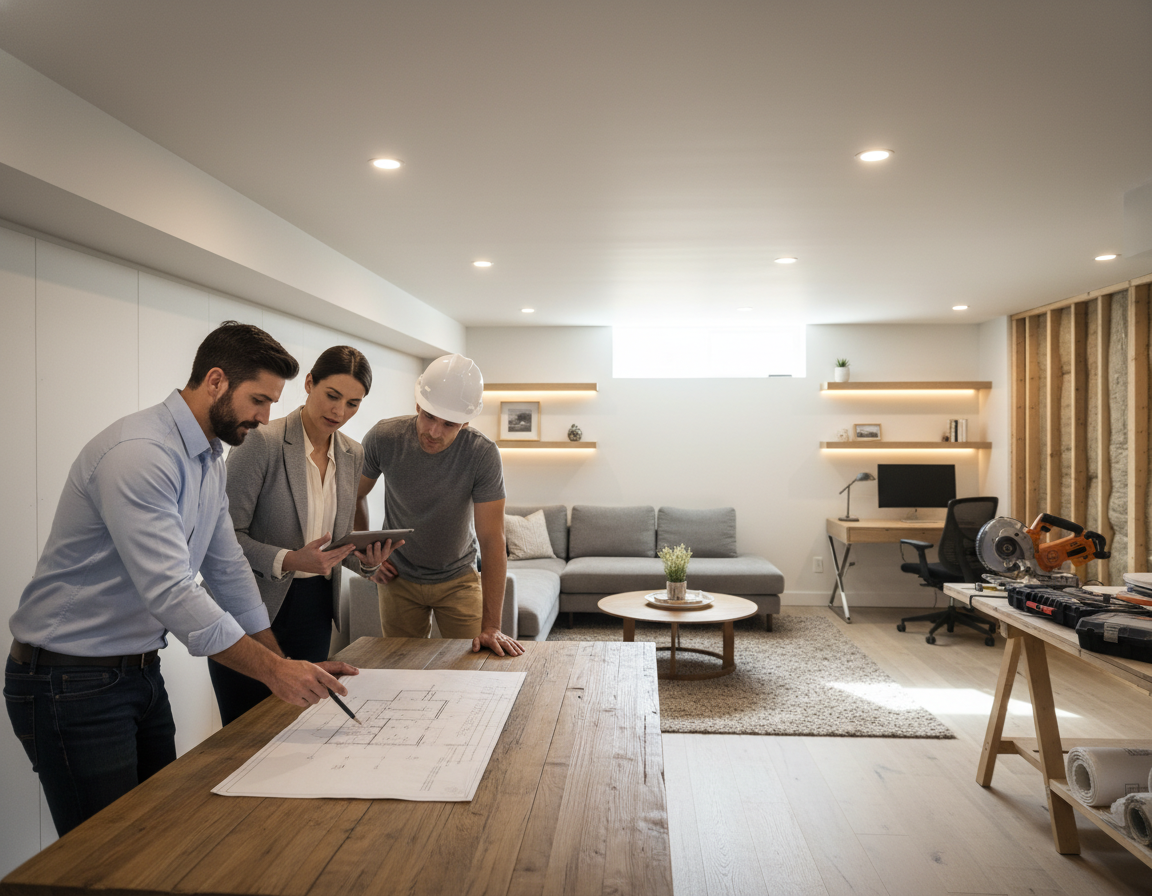
Measure the basement carefully, including the ceiling height. In many areas, code requires living spaces to have ceilings that are at least seven feet high. Those measurements help determine whether egress windows or a full bathroom are feasible.
Check the walls and floors for moisture, efflorescence, and visible cracking. Inspect rim-joist insulation, plumbing lines, and available electrical capacity. A complete assessment at the beginning helps avoid surprises and shapes your design and mechanical decisions.
Create A Detailed Floor Plan And Inspiration Board
Create a detailed floor plan showing new walls, plumbing, electrical outlets, and HVAC runs. Add furniture to the plan so you can verify that circulation and movement will feel comfortable. Sharing this plan with contractors helps you get accurate estimates.
Create an inspiration board using photos and finish samples. Include examples of tile, paint, lighting, and trim so your vision is easier to understand. This visual reference improves decision-making and supports communication with your contractor.
| Planning Step | What To Record | Why This Matters |
|---|---|---|
| Goals & Priorities | Must-haves, nice-to-haves, timeline | Helps control scope and supports a remodel basement on a budget |
| Measurements | Square feet, ceiling height, window sizes | Determines code compliance and layout feasibility |
| Condition Check | Moisture signs, cracks, insulation, utilities | Reduces the risk of concealed repairs that slow the renovation |
| Layout Plan | Wall locations, plumbing, electrical, HVAC runs | Helps guide contractor pricing and material choices |
| Inspiration Board | Images, finish choices, lighting concepts | Keeps the look consistent and helps decisions move faster |
Basement Remodeling: How To Budget And Hire The Right Professionals
Start with a clearly defined budget that matches your goals. A basic finish usually costs much less than a full renovation that adds bathrooms, bedrooms, or major mechanical upgrades. Make room in the budget for materials, labor, permits, and a 10–20% contingency to cover moisture issues, old wiring, or other surprises. That approach supports a budget-friendly basement remodel without skipping important repairs.
Spend strategically to reduce delays and rework. Prioritize moisture control, structural concerns, and permit-related work before cosmetic upgrades. After those issues are handled, use the remaining budget for finishes, lighting, and built-ins. That order of spending helps protect your investment and support long-term home value.
When To Choose A Design-Build Firm
Hire a design-build firm when you prefer a single company to manage design, permits, and construction. That setup simplifies communication and minimizes gaps between the design and the final execution. Companies like Renovate Builders deliver full-service solutions for complex basement projects, helping multiple trades stay coordinated.
Selecting Trustworthy Basement Contractors
Carefully verify each contractor’s credentials, insurance, and references. Ask to see a portfolio that includes basement-specific work such as waterproofing, egress window installation, insulation, and subfloor systems. Written estimates should clearly list labor, materials, and permit fees so comparisons are accurate.
Be transparent about your budget and expectations from the start. Clear discussions about budget limits and expected outcomes help the project keep moving and reduce the need for expensive revisions. Reliable contractors appreciate direction and will offer realistic timelines that fit your home improvement goals.
- Set realistic budget categories for structural work, mechanical systems, finishes, and contingency.
- Address moisture and structural safety before spending on cosmetic upgrades.
- Choose design-build when you want one clear point of responsibility.
- Confirm credentials, portfolios, insurance, and detailed written estimates before hiring.
With the right budget and the right professionals, your basement remodel can create practical space, increase home value, and reduce construction surprises.
Address Moisture Control And Structural Issues First
Before beginning basement finishing, inspect for leaks, standing water, excess humidity, visible mold, and foundation cracks. Even basements that appear dry can conceal moisture issues. A thorough moisture inspection is key because it helps avoid expensive damage and shapes your waterproofing and repair strategy.
Inspect For Leaks, Humidity, And Foundation Cracks
Inspect both the perimeter and the interior after rain and again in dry weather. Watch for cracks and efflorescence around walls, floor joints, windows, and plumbing areas. Use a moisture meter and a hygrometer to identify hidden issues. Document what you find so contractors can prioritize repairs.
Waterproofing Options And Drainage Fixes
Fix the clearest water-entry sources first. Outside the home, solutions can include grading soil away from the foundation and extending gutters and downspouts so water moves at least five feet away. On the interior, you can seal cracks with epoxy or polyurethane and apply masonry waterproofing coatings to exposed concrete.
If water intrusion is ongoing, consider an interior drainage setup that uses a perimeter channel and a sump pump. A high-quality dehumidifier can help control humidity both during and after the renovation. If you use waterproof coatings, follow the manufacturer’s instructions for prep, efflorescence removal, and recommended thickness to create a continuous membrane.
Seal Rim Joists And Insulate Properly
Rim joists are common cold spots that contribute to condensation and heat loss. Seal small gaps with caulk and larger voids with expanding spray foam. Rigid foam, such as 2-inch extruded polystyrene where code permits, can provide both thermal resistance and vapor control when installed correctly.
Do not insulate exterior basement walls until water intrusion has been resolved. If moisture becomes trapped behind insulation, mold-prone cavities can form. Contractors with basement experience can help you choose materials and methods that fit your climate and local code.
| Condition | Quick Check | Recommended Fix | When Professional Basement Contractors Are Needed |
|---|---|---|---|
| Cracks in the foundation | Hairline or widening cracks with possible seepage | Epoxy or polyurethane injection plus structural review for larger cracks | When there is structural concern, recurring seepage, or widening cracks |
| Efflorescence buildup | White, powdery residue on masonry | Remove residue, dry the area, and apply a masonry waterproofing coating | When efflorescence returns after cleaning and coating |
| Standing water or high water table | Water on the floor after rain or dampness even when conditions are dry | Install interior drainage mat or perimeter system with sump pump | When water is frequent or the current pump fails |
| Excess humidity or mold | A musty odor or visible mold patches | Add dehumidification, improve airflow, and remediate damaged materials | Widespread mold or health concerns |
| Cold rim joists and drafts | Cold air near ceiling/floor junctions; condensation | Use caulk, spray foam, and rigid foam insulation to reduce drafts | When drafts remain even after sealing attempts |
Building Codes, Egress, And Mechanical Systems
Before beginning a basement remodel, get familiar with local codes and permit requirements. They govern ceiling-height minimums, exit routes, and smoke alarm locations. They also define what is required when you add bedrooms, bathrooms, or other habitable rooms. A call to your local building department or an experienced basement contractor can help you understand which approvals and inspections will be required.
Know Local Rules And Permits
Permit timelines can vary widely from one city to another, including markets like Seattle, Chicago, and Atlanta. If you begin early, you are less likely to face delays with framing, electrical, or plumbing work. Licensed contractors often handle permit filings and can guide you through inspections and approvals.
Egress Windows And Safety Considerations
In many areas, habitable basement bedrooms require egress windows. They must satisfy local standards for opening dimensions, sill height, and emergency exit clearance. Sometimes the work includes excavation or a larger window well to create a compliant opening.
Budget for cutting foundation walls, installing window wells, and adding ladders or covers where required. A properly installed egress window improves safety and can also enhance resale value. Make sure the work complies with local code and fire-safety requirements before finishing the surrounding walls or ceiling.
Plan Electrical, Plumbing, And HVAC Upgrades Carefully
Electrical upgrades commonly involve adding new circuits for lighting, outlets, entertainment equipment, or kitchenette use. Check panel capacity and hire a licensed electrician for any rewiring and permit work. Electrical work completed under permit lowers the risk of code issues when the home is sold.
Plumbing work should be planned carefully around drain, vent, and supply routing. If the drain line is above grade, a new bathroom or wet bar may need a sump or sewage ejector pump. Inspect existing lines for corrosion and available capacity before changing the layout.
HVAC balance is especially important in below-grade spaces. You may extend ductwork from the main system, install a ductless mini-split, or choose radiant floor heat. The mechanical plan should also include ventilation and dehumidification to prevent future moisture problems.
| Project Item | Common Requirement | Usual Cost Range | Recommended Professional |
|---|---|---|---|
| Egress window installation | Code-compliant opening size plus a well and ladder if applicable | $800 – $4,500 | Window installer, basement contractors |
| Electrical system upgrades | Permitted circuits, outlets, and GFCIs in wet areas | About $1,200 – $6,000 | A licensed electrician |
| Plumbing modifications | Drain, vent, traps, permits, and inspections | Roughly $1,000 – $8,000 | A licensed plumber |
| HVAC & ventilation | Proper heating and cooling balance plus dehumidification | Roughly $800 – $7,000 | HVAC contractor |
| Sealing and fire-stopping | Fire-rated caulking and properly sealed penetrations | $150 – $900 | Basement contractors or a fire-safety specialist |
Work with experienced basement contractors to keep mechanical upgrades aligned with code. They can coordinate with electricians, plumbers, and HVAC professionals for a smoother project. Permits and inspections help protect both your safety and your investment in basement remodeling.
Create Functional Zones And Smart Layouts
A thoughtful basement layout can turn leftover square footage into rooms that truly work. It helps to view the basement as a mini-house with distinct areas for media, play, guests, and storage. You can use lighting, rugs, and furniture to shape circulation and define areas without building full walls throughout.
Design Zones For Media, Play, Guest, And Storage
Place the media area where sightlines and acoustics will work best. Low shelving or built-in cabinetry can support electronics while helping organize the seating area. A play area is often most successful near natural light and open sightlines that make supervision easier.
A guest suite should offer privacy and easy access to egress. Locating a bathroom close to existing plumbing lines usually helps control remodeling costs.
Plan Flexible, Multi-Use Basement Spaces
Choose convertible furniture like sleeper sofas and modular shelving to help rooms adapt as your needs change. Movable dividers can quickly shift a home office into a teen lounge or guest space. Contractors like Renovate Builders can help incorporate flexible design solutions during finishing so the space works harder over time.
Storage Solutions And Built-Ins
Smart storage helps reduce clutter and can boost resale value. Under-stair drawers, floor-to-ceiling shelving, and closet systems can all improve storage in guest zones. Cabinetry in media areas and bars helps keep cables, supplies, and equipment hidden.
Custom built-ins streamline organization and help each zone remain visually separate, even when multiple uses share the same floor plan.
| Area | Usual Features | Storage Ideas | Budget Impact |
|---|---|---|---|
| Media or theater zone | Acoustic treatment, projector or TV, and theater seating | Built-in media cabinets and cable-control storage | Usually moderate to high because of wiring and acoustic upgrades |
| Playroom or game area | Durable flooring, soft seating, toy zones | Modular storage bins, wall hooks, and open shelving | Low to moderate, especially when flexible furniture is used |
| Guest Suite | Egress access, closet storage, and added privacy | Reach-in closet, under-bed drawers, linen cabinet | Moderate, with costs increasing if a bathroom is added |
| Storage and multi-use zone | Closets, utility access, workbench area | Shelving systems, under-stair storage, and bins | Low to moderate, though custom built-ins may raise value |
Plan circulation so hallways and open areas connect the zones smoothly. Control noise near sleeping areas and keep wet zones close to existing plumbing where possible. Thoughtful storage and layered functionality make basement finishing both practical and appealing.
Use Basement-Appropriate Flooring And Finish Materials
Selecting the right materials is critical to a successful basement finishing project. Below-grade spaces often face moisture, temperature swings, and lower light levels. That is why flooring, subfloor systems, and wall treatments need to be chosen with these conditions in mind.
Best Basement Flooring For Below-Grade Areas
Luxury vinyl plank (LVP) is one of the most popular basement flooring choices because it is waterproof and resembles wood. Porcelain and ceramic tile also perform well in damp zones and are known for durability. Engineered wood rated for below-grade use can provide a real-wood look while handling moisture better than solid hardwood.
Carpet tiles work well in theaters or play zones because they add warmth and are easy to replace individually. It is usually best to avoid standard laminate and solid hardwood in damp basements because they can warp and contribute to mold problems.
Raised Subfloors And Drainage Mats
Raised subfloor panels or dimple-style drainage systems provide an air space between the finish floor and the slab. Drainage mats help move moisture away and reduce cold transfer from the concrete. They often help finishes last longer and reduce the movement of moisture vapor into the room.
Electric underfloor heat can improve comfort in basement living zones. Warm floors make the basement more usable year-round. However, you should evaluate both installation cost and operating expense before deciding on this comfort upgrade.
Wall Finishes, Insulation, And Vapor Strategy
Do not begin wall finishes until moisture issues have been resolved. Use rigid foam on concrete or framed wall assemblies with a clear vapor-control strategy to reduce condensation and heat loss. Good insulation improves comfort and lowers energy use over time.
Moisture-resistant wallboard is often a smart choice where local code permits it. Rim joists and wall penetrations should be sealed to reduce drafts and block pests. In the ceiling, sound-attenuating insulation and resilient channels can help reduce noise transmission.
| Basement Area | Best Material Choices | Key Benefit |
|---|---|---|
| Wet-prone areas | Porcelain tile, LVP | Moisture resistance and easy cleaning |
| Main living zones | LVP, basement-rated engineered wood, or carpet tile | Warmth, comfort, and wood-look appeal |
| Subfloor layer | Raised panels or drainage membranes | Helps separate moisture and reduce slab cold transfer |
| Insulation & walls | Rigid foam, framed walls with controlled vapor, moisture-resistant wallboard | Less condensation and better energy performance |
| Basement comfort upgrades | Electric floor heat with sound-control insulation | Greater warmth and acoustic comfort |
Lighting, Sound Control, And Finishing Touches That Matter
Turning a dark basement into a warm, functional space takes deliberate planning. Layered lighting, good sound control, and thoughtful finish details all play a role. When combined well, these elements help the basement feel intentional instead of like an afterthought.
Use Layered Lighting Strategies
Start with ambient light from recessed cans on dimmers to create mood and flexibility. Then add task lighting, such as pendants over a bar, under-cabinet lights in a kitchenette, and table or floor lamps in reading corners.
Accent lighting such as wall sconces, LED strips, and picture lights can highlight artwork or a media wall. Lighter paint colors on walls and ceilings help reflect light so the room feels brighter without becoming harsh.
Plan Soundproofing And The Right Ceiling Type
To reduce sound transfer, place fiberglass batt insulation in the joist cavities and use resilient channels to decouple drywall. Soft floor finishes such as carpet tile can further reduce impact noise in busy areas.
The best ceiling type depends on how much access you need and how important sound reduction is to the space. Drop ceilings provide simpler access to wiring, pipes, and ducts. Painted exposed joists preserve height and add character. Drywall on resilient channels is often the strongest choice for sound control in theater or media rooms.
Finishing Details That Add Personality
Add personality and function through shiplap, accent walls, custom built-ins, or a well-designed wet bar. Decorative beams and a gas fireplace can create warmth and a strong focal point in a below-grade room.
Textured fabrics and warmer colors can counteract the cool atmosphere that basements often have. During finishing, plan ahead for speaker wiring, strong Wi-Fi, smart lighting controls, and media connectivity. Planning these details in advance makes future upgrades easier and helps them blend into the overall home improvement strategy.
Conclusion
A strong basement remodeling project begins with a clear plan. First, define the purpose and take accurate measurements. Next, check carefully for moisture problems and structural issues. Resolving those concerns before finishing helps protect your investment and makes the renovation more durable over time.
After that, prepare for permits, egress, and mechanical upgrades so your electrical, plumbing, and HVAC systems meet code. Reserve 10–20% of the budget for contingencies. A design-build contractor such as Renovate Builders can help by providing waterproofing expertise, accurate mechanical planning, and smoother project management.
Create functional zones and use materials that are suited to below-grade conditions. Layer in lighting and sound control to improve comfort and usability. Whether your goal is Remodeling Basement on a Budget or completing a full renovation, careful planning and strong execution can turn unused square footage into a comfortable and valuable part of your home.
Related: The Benefits Of Hiring A Basement Remodeling WA Specialist